My Blogs
Fall in love with No.7: They’re Calling
A Taste of No.7: An excerpt from No.7: They’re Calling.
Story ideas are everywhere. Sometimes they are lying dormant within us, waiting to be seized.
“It isn’t Cruz’s fault that the house has a history.” I still remembered him telling us how, hundreds of years ago, an old monk, Saint Ignatius, traveled miles in search of the seven items of the Catholic communion service that he and his shipwrecked family had carried from Spain and found the final one, the crucifix, on our land. There he hid his treasure, built a hut for himself, and called it No. 7. “He believed that the site was sacred.” (Excerpt from No.7: They’re Calling)
My earliest memories, revolve around a church, or rather a real estate compound, Girjapara, built around an old church—girja—a legacy left by the British Raj. One of the bungalows in the enclosure was my childhood home.
The church was in ruins when I was born and little remained of its original architecture, other than a few dilapidated walls and a portal overgrown with weeds and vines. I loved how they sang with the wind and the rain and leaned into the sunshine, letting birdsong echo within.
A dreamer with a vivid imagination, I envisioned what the church looked like in its heyday with a steeple and corpse windows and trees soaring upward in feathery arches. But what really fascinated me was the cemetery, and sometimes I woke up at dawn only to I sneak in and take a stroll through it.
It was only on the other side of our garden fence yet felt strangely populated at that hour with people I could not see. I wondered if all those graves peeking out from under the unkempt grass had anything to do with it. Each one looked like it had a story to tell.
I was curious to learn about the people who lay in the graves, what they were called, what they were like, if they lived and died in the town, or came from afar. But there was no way to find out. Their gravestones were too dark to read, all except one that basked in the sun away from the trees, clad in one green hue. It had an interesting symbol engraved on it—a sailing ship.
I was obsessed with it. It gave me real food for thought, especially as at that point in time, I loved reading certain classics—The Swiss Family Robinson, Moby Dick, Robinson Crusoe, The Odyssey—and the word “shipwrecked,” came up again and again.
Out Now– The second and last book of the series No.7
End — 2020
 2020 has gone by - a year unreal,
 Of virus and death, and challenges—
 None of us could have been prepared for.

 Overnight new rules were formed,
 Our cozy lifestyles were transformed.
 People everywhere were devastated,
 Yet the virus raged unabated
 Making mockery of people’s adjustments
 And their daily disappointments.

 Yet, sweet are the uses of adversity—
 The pandemic heightened our vulnerability,
 Our innate need for community—
 For amid the joyless months of quarantine
 We turned to each other, talked of COVID-19,
 If not of anything else, prioritized, and ditched routine.

 So, thank you 2020- the new year’s coming up
 It’s time we poured the wine, it’s time we raised a cup
 You will be remembered for the millions who died
 Yet it cannot be denied,
 That you made us strong,
 You made us brave,
 You made us more resilient—

 For you, we march into a better 2021
For you, the world will never take for granted, ‘fun’. Bliss
 Ever tried offering a puppy
 His favorite treat?

 Watched him pounce upon it
 And then for fear that you might
 Change your mind, break into a run?

 Seen him bolt to a safe niche,
 Away from prying eyes--out of reach,
 To waltz around his newfound treasure
 In perfect celebration of the pleasure?

 The true intimacy is yet to come
 Of pawing, licking, nibbling
 Laying back, rolling, holding
 Dropping, picking up, frolicking—

 Who says it takes two souls for a romance?
Rhythms of the Soul
When feelings, thoughts, and emotions
Overwhelm you
Spill them on paper.
When imagination seizes your mind
Leave your work, waste your day—
Write.
The wild horse in you
Has reared up
Unrepressed, relentless,
Regressive.
Release him
Ride him
Go whither he will.
Understand yourself.
TOUGH
The Pandemic rages on . . .
Every day is the same.
It is hard waking up,
Harder falling asleep.
Someone said,
In difficult times,
You move forward in small steps.
I slow down my pace.
Do stuff nevertheless.
Everything I have always done–
Just try harder, with some self-praise,
And lots of thoughts of happier days.
Then finally as I start to move ahead,
The phone rings–someone close is dead.
The exact nature of the curious phenomena authors refer to as their characters
Today is August 15, 2020, the 74th anniversary of Indian Independence Day. Thanks to COVID, it is quiet here in Houston. There are no parties to celebrate the occasion and the cultural program at India House, Houston, is virtual.
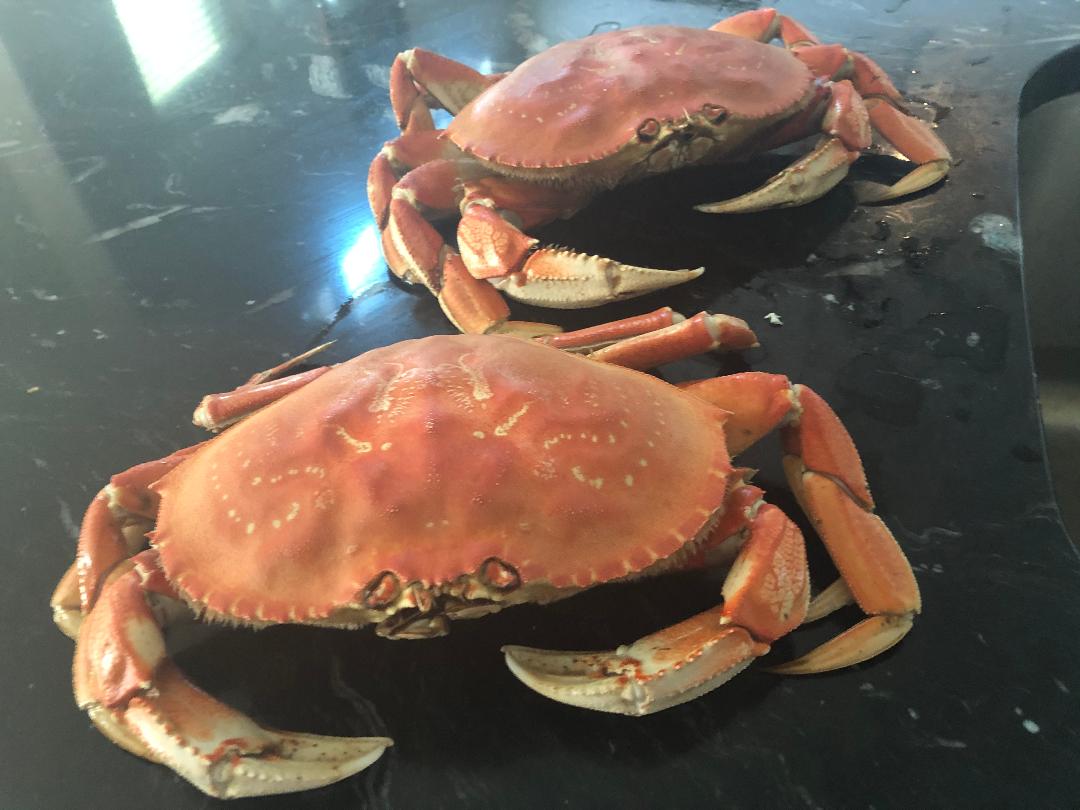
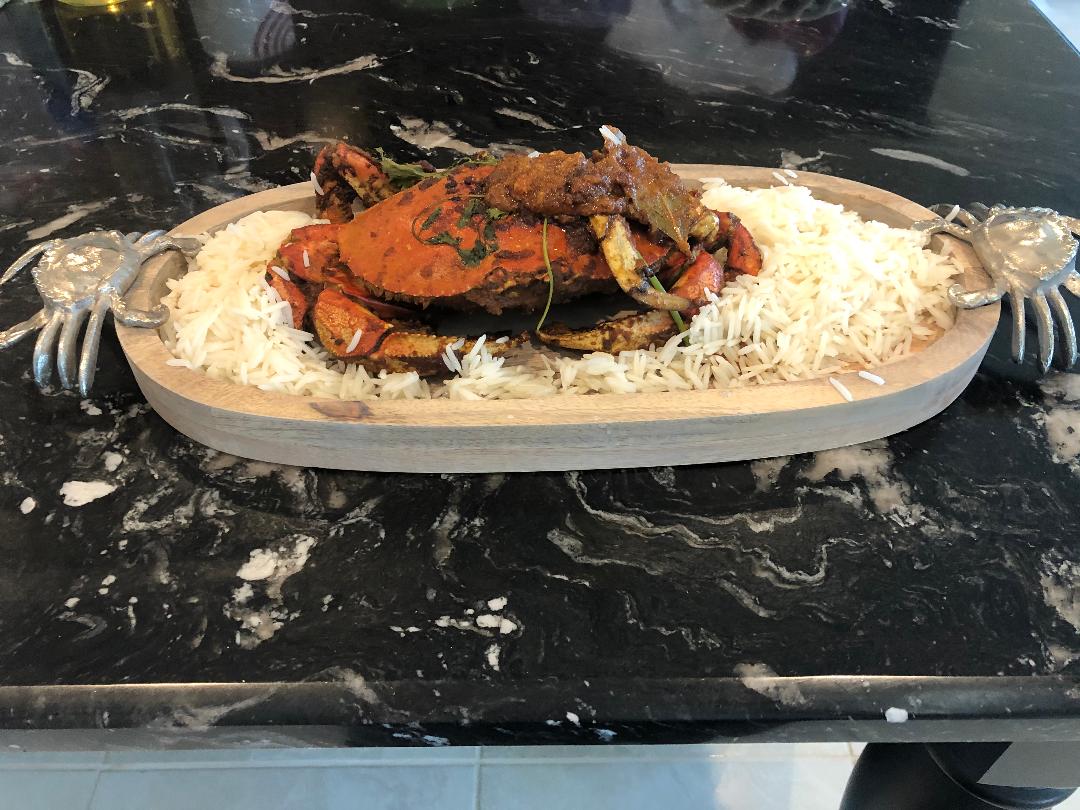
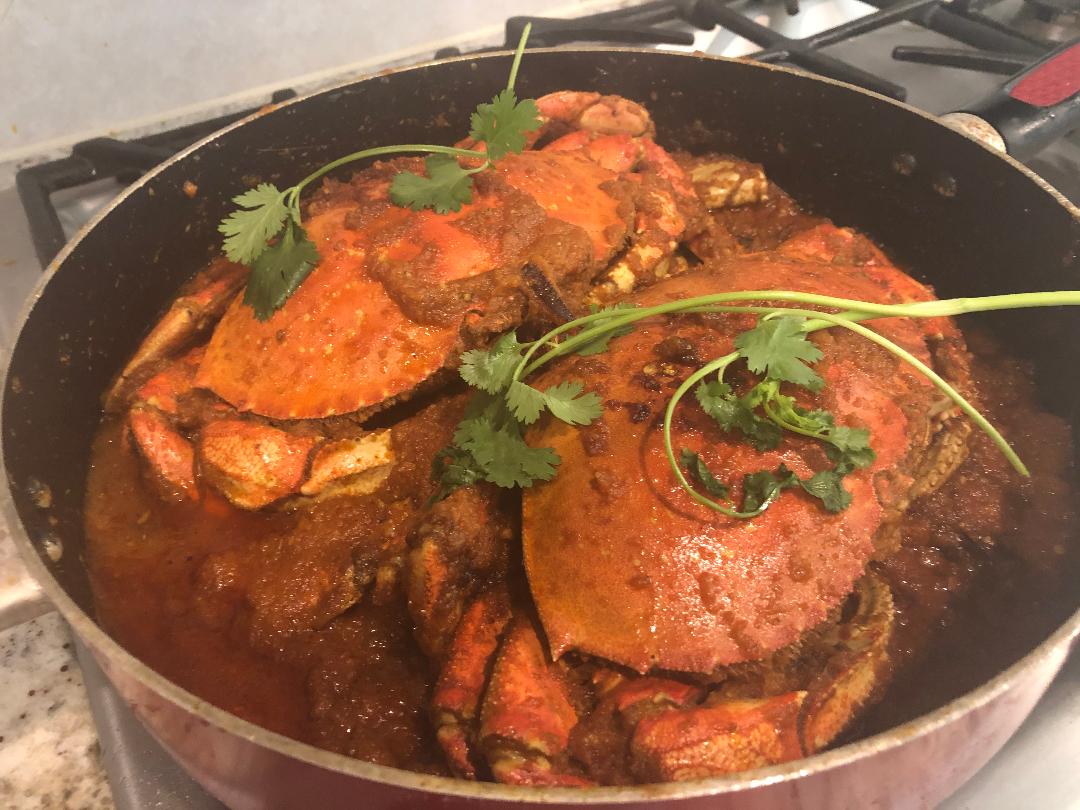
Feeling a trifle sorry for ourselves, my husband and I decided to have an authentic Indian meal for lunch. We ordered crab online—hats off to the online grocery shopping which is exploding—and Costco promptly delivered a couple of humongous crustaceans directly to our door.
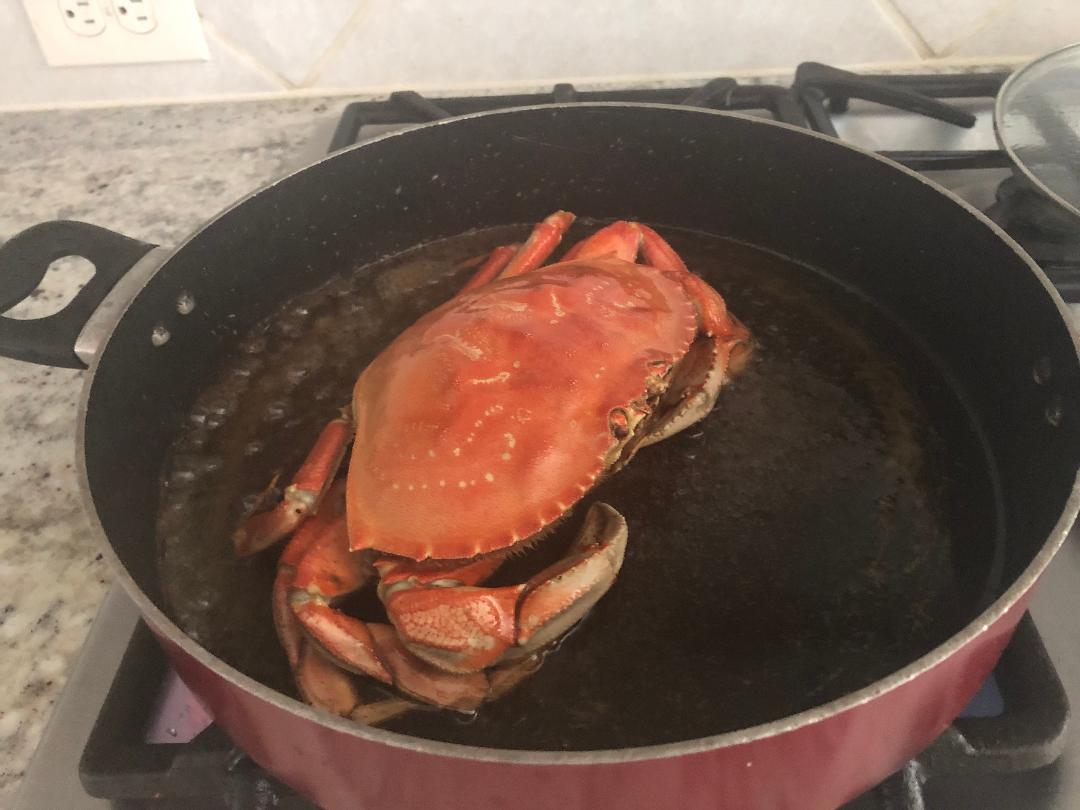
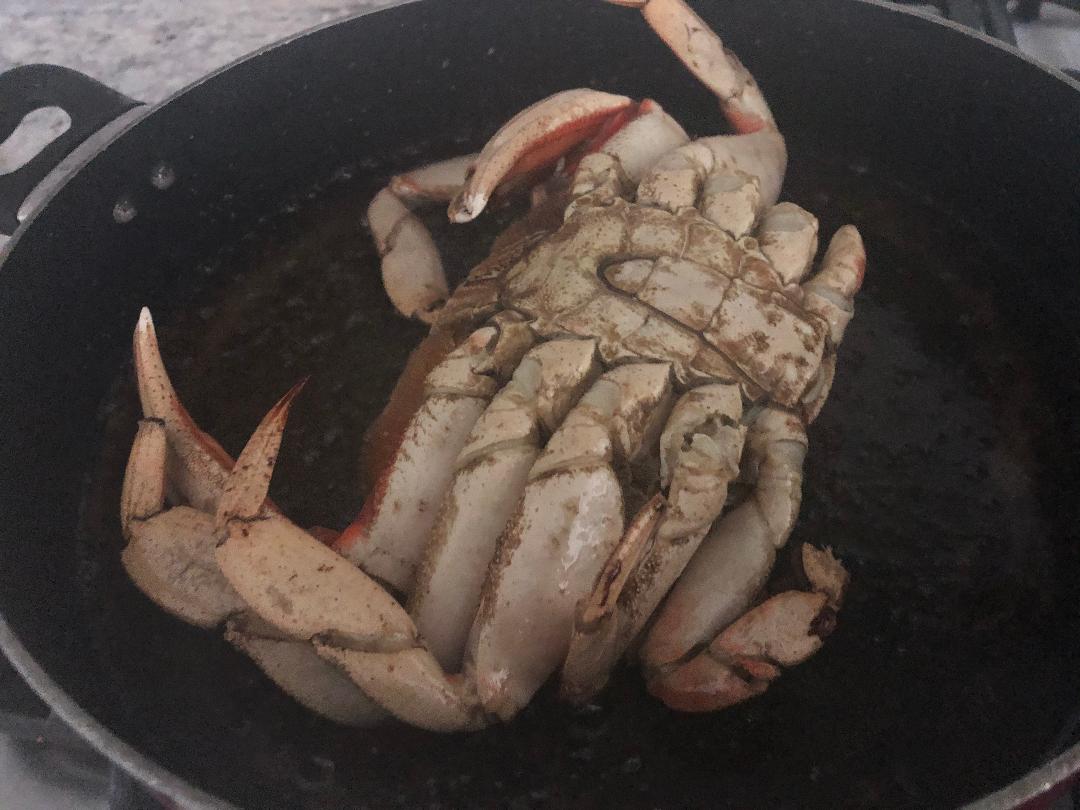
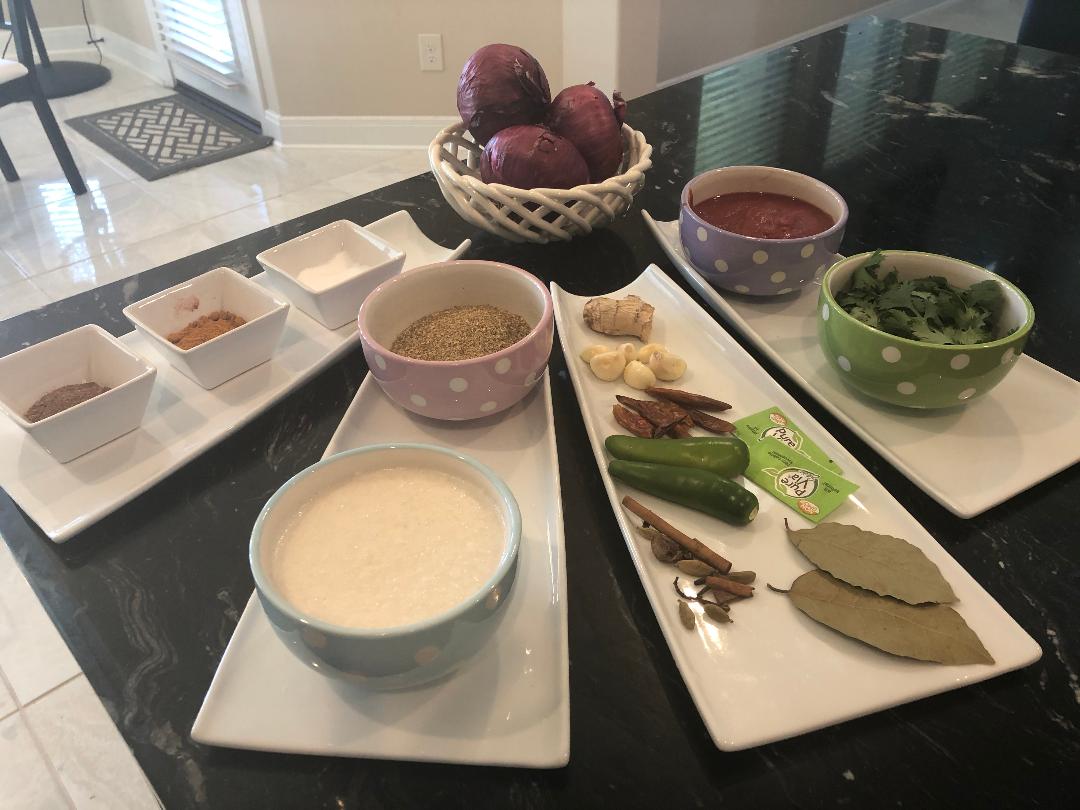
I tried out a mind-blowing Bengali recipe and followed it to a TEE, grinding the exotic spices, chopping the herbs, and folding them into the curry exactly as instructed. I was lucky to have all the ingredients in my treasure trove—excited as I was about that cuisine.
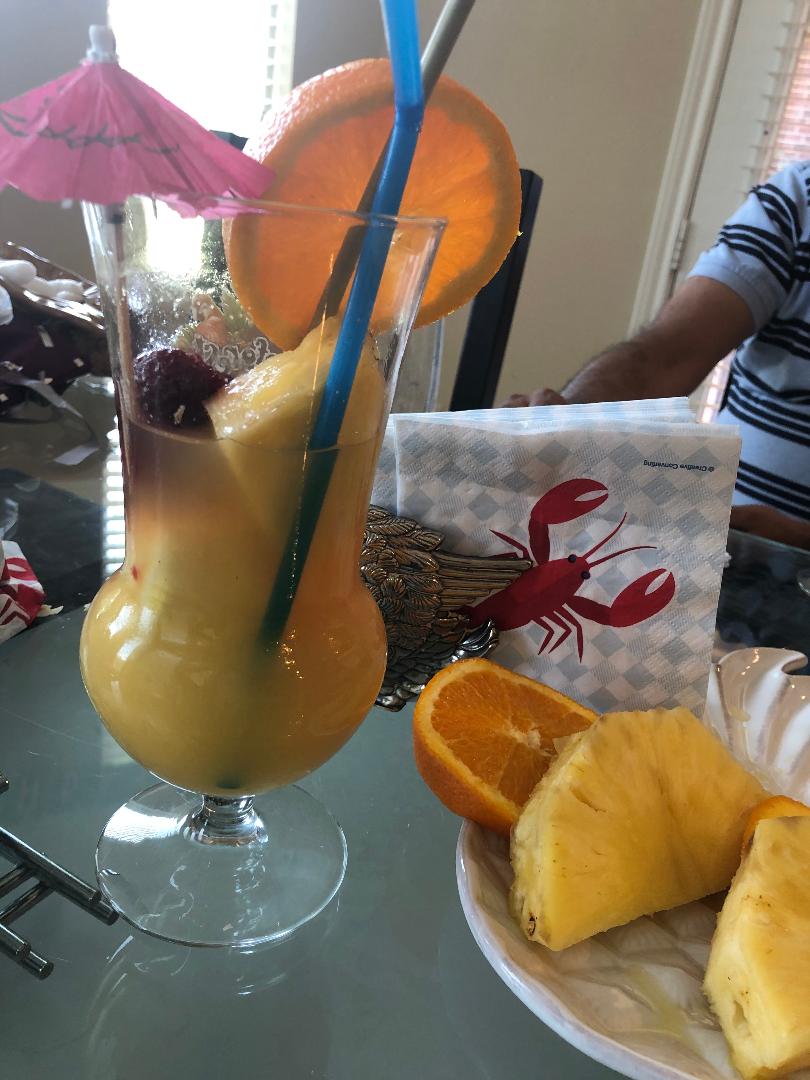
As the crabs stewed, my husband fixed us a very fruity Caribbean cocktail.
The drink in my hand, I returned to editing the sequel of “They’re Calling”—“The Date”. Priya was cooking Rogan Josh to perfection.
Involved in the intricacies of Indian cooking, she suddenly seemed remarkably similar to me. That was not something I had intended. I never meant to drag her into the kitchen, especially the Indian kitchen, to prepare a meal from scratch in the sweltering heat.
Priya, Ravi’s wife, was just a product of Indian culture—not bound to its traditions—
I was happy to share my love of seafood with her. In “They’re Calling”, Priya immediately thought of Galveston’s seafood places when the air-conditioning broke at the Indian Cultural Center on August 15, and the Indian community in Houston demanded a substitute venue.
I allowed Priya to drink alcohol in moderation and love cocktails like me—in “They’re Calling”, she couldn’t have enough of Sue’s handcrafted cocktails at her Thanksgiving party.
But that was all. I did not wish any other aspects of my personality to weave their way into her.
I envisaged Priya as a liberated woman, living the adventure I created for her. But somewhere along the way, she ceased to be the imaginary person filling the role of my protagonist and became a real human being to whom the story happened.
Indianness was innate in her—deep in her heart, she believed that she was first a home-maker and then a person—and the reason for this mentality was the primordial goo in which her character had been formed.
 Nandita Banerjee