NOVELS

Priya and her husband, Ravi Gupta, are immigrants from India. They live in Houston in their house, No.7, mindful of its moral
code and the previous owner’s warning, “Take care, the house is special.” Life is more-than-perfect until Priya’s dead friend, Hema’s book arrives at their door. It not only triggers memories of the uncanny circumstances surrounding Hema’s death, but the old charcoal sketches in it stain Priya’s fingers. The marks grow ominously dark. Spooked, Priya shoves the book under her bed where it disappears. Could the floor have sucked it in? Odd yet not impossible—both the house and the book are magical—but with what consequences?
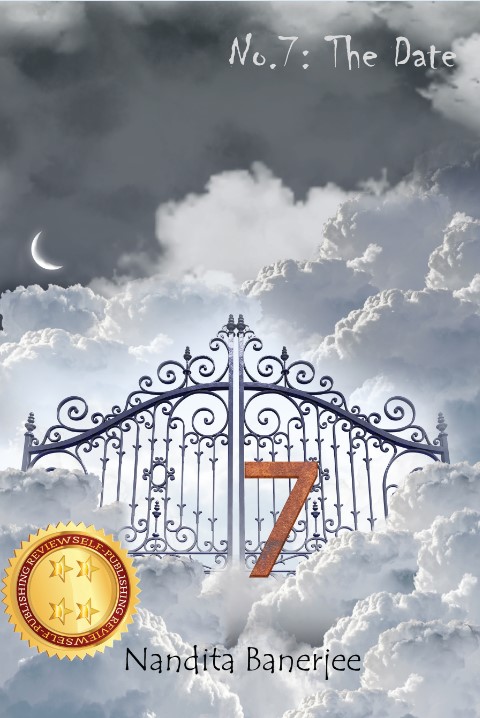
It is hard to believe it is all coming to an end—the fairytale marriage and the charmed life with Ravi at No.7, their home in Houston. Priya has fled the city, yet nine thousand miles away in her native town, Kolkata, she still finds no respite from Ravi’s atrocities or the curse of the house. Her dreams crumble, her hopes fizzle, and disappointment brews. New love pounds on the door, leans on the doorbell, but Priya must conform to tradition. She spirals deeper and deeper into an abyss of helplessness. The ghosts return . . .
Soulmates, Priya and Deepak, search for Heaven to spend their afterlife together when a thunderstorm separates them. Priya slips into Heaven where she is evaluated and rejected. However, Heaven’s glow rubs off on her, and she returns to the tumultuous skies, an orange wisp.
Having lost Deepak, she heads off to England to live with her children until she can be reunited with him.
She gets caught up in her children’s lives. They’re estranged from each other, thanks to the curse that blights the family. Sunny, her son, is heartbroken over his broken engagement with Nikita. Sonya, her daughter, blames herself for the family’s tragedies. She has brought home the jinxed book from the sorcerer, Uncle Dev, that has turned their lives upside down.
With no confidence or self-esteem, she cannot commit to anything. Her boyfriend, Paul, tries to help, but she severs all relations with him and flees with the compassionate, warm, kindhearted Randy against whom there are serious warnings.
Another grave error?
Sonya trusts Randy like no other in her journey to find the book and unhex it. But where is she to begin her search for this living, breathing presence that roams the world in more forms than one?
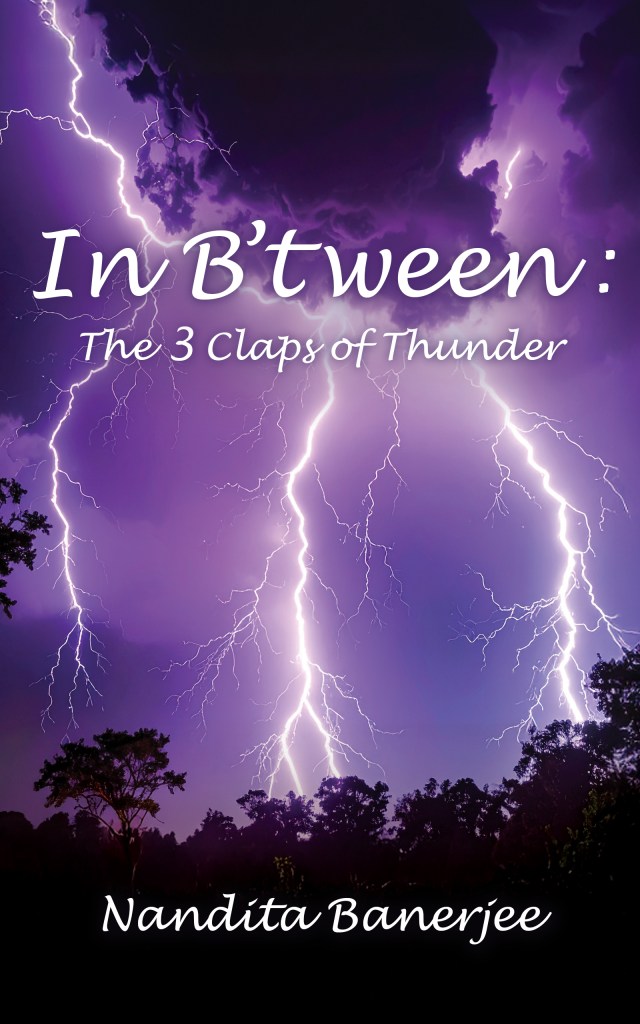
In this supernatural drama inspired by T.S. Eliot’s poem The Waste Land, a powerful attachment binds Priya, a ghost, to the mortal world. Her children, Sunny and Sonya, continue to be affected by an evil spell the sorcerer, Dev, cast on the family. Alas, there is no way to undo the dark magic and destroy the evil monster.
Sunny and Sonya’s friend, a private detective called Leda, attempts to rid them of the curse. It backlashes; she becomes afflicted herself. She pursues Dev. Worried out of his mind, her husband, the philanthropic Patrick, arrives at the scene. He tries to dissuade Leda, but the compassionate lady is too involved. At this juncture, Sonya disappears on what she calls “important business.” It appears like she has teamed up with Dev.
Dev’s viciousness festers. Priya is distraught. The spirit of her cursed home, No.7, appears to her in a thunderstorm. His thunderclap-sharp words, “Datta, Dayadhvam, Dāmyata,” and the following reiteration of the Sanskrit synonym of peace, “Shantih,” predict that peace will be restored at No.7. The spirit, however, remains quiet about Sunny and Sonya. Will they overcome the curse? Is that even possible with Dev controlling their destiny?
In the vision accompanying the message, Priya glimpses the silhouettes of Patrick and Leda, embodying the qualities of Datta (generosity) and Dayadhvam (compassion). She struggles to identify the third elusive entity who walks with them. Priya thinks she does not know anyone with exceptional self-restraint, Dāmyata, but does she not really?
Poetry Anthologies
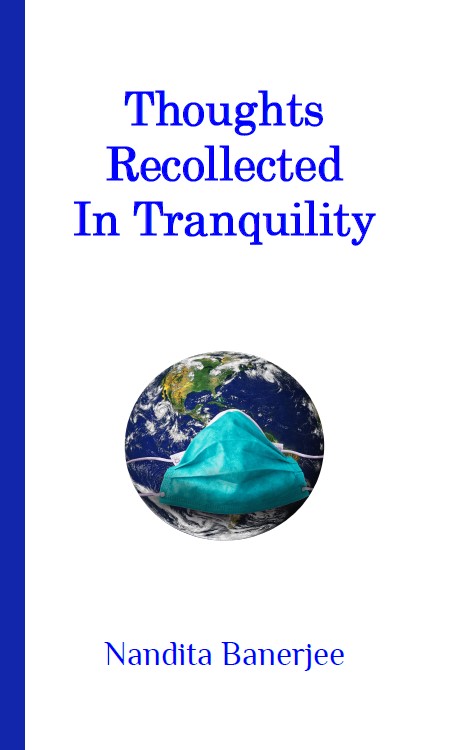
Thoughts Recollected in Tranquility brings together my feelings, reflections, and reminiscences during the COVID-19 pandemic.
These poems are not about the disease; they are about the resilient human spirit. There is sadness, but there are also memories, relationships, excitements, imaginings, and the wonder of birth, growing up, and marriage as the circle of life goes on.
The book takes in all aspects of our lives—each poem comes straight from my soul. The collection varies in tone from amused to melancholic, and from matter-of-fact to imaginative. Step inside. Enjoy!
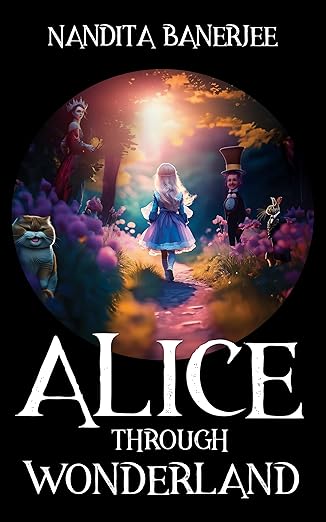
Alice through Wonderland, an anthology of various types of poems, is inspired by two great works of literature, namely, Lewis Carol’s novel, Alice in Wonderland (1865) and William Wordsworth’s ode, Intimations of Immortality (1804). It traces the journey of a girl, Alice, into and through “Wonderland,” her childhood in our modern day.
Like Wordsworth’s ode, this anthology claims that human souls have their own joyful existence in Heaven before they come to Earth, and when they are born, they bring heavenly perceptions with them.
Little Alice in the anthology sees the everyday world through the lens of her earlier heavenly existence. Like her namesake in Lewis Carol’s novel, she meets and interacts with anthropomorphic creatures. However, her experiences in “Wonderland” do not end there. “The world oozes pleasures of her own.” Like the other Alice, she gains a deeper understanding of the world through her involvement with its denizens and their activities, while letting go of her childish innocence along the way.
And it is not just her innocence that Alice loses in the anthology. As she grows, the heavenly vision she is born with fades. The routines and habits of daily life set in, and the world goes from looking enchanted to looking “common.”
 Nandita Banerjee